
-
By:
- otis
- No comment
roman missal pdf free download
Roman Missal PDF Free Download: A Comprehensive Guide
Navigating digital access to the Roman Missal requires understanding legitimate sources and potential risks․ Free PDF downloads are available, but authenticity and copyright must be verified․
Understanding the Roman Missal
The Roman Missal serves as the primary liturgical book for the Catholic Church, containing the texts for the celebration of Mass throughout the year․ Accessing a Roman Missal PDF offers convenience for study, personal prayer, and liturgical preparation․ However, understanding its structure and content is crucial for proper use․ The Missal isn’t simply a collection of prayers; it’s a carefully ordered guide to the Eucharistic celebration, reflecting centuries of theological and liturgical development․
Digital versions, while readily available, require discernment regarding source legitimacy․ Knowing the Missal’s historical context and importance within Catholic worship enhances appreciation for its content and proper utilization of any free PDF download․
What is the Roman Missal?
The Roman Missal is the official liturgical book of the Roman Catholic Church, containing the order of Mass, prayers, readings, and other instructions for celebrating the Eucharist․ It’s more than just a prayer book; it’s a comprehensive guide for the sacred rite․ A Roman Missal PDF provides digital access to this essential text, allowing for study and personal devotion․
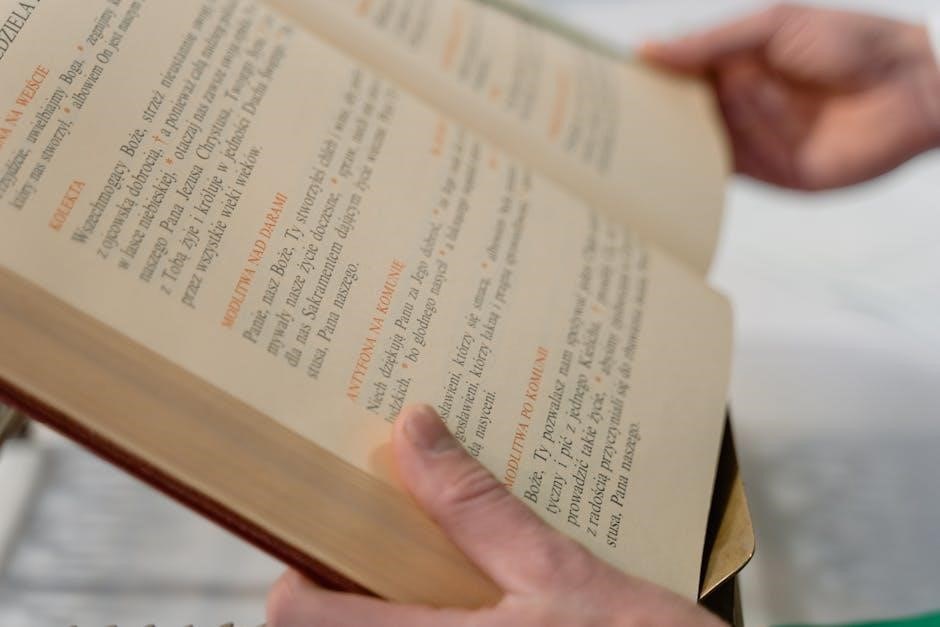
Its contents are meticulously structured, reflecting the Church’s liturgical traditions․ Obtaining a free PDF download offers convenience, but users should ensure the version is complete and authentic to properly follow the liturgical norms․ Understanding its purpose is key to appreciating its significance within Catholic worship․
Historical Development of the Roman Missal
The Roman Missal’s evolution spans centuries, originating from ancient liturgical practices in Rome․ Early forms were collections of prayers and rituals, gradually standardized over time․ Significant milestones include the Gregorian Sacramentary and the reforms following the Council of Trent․
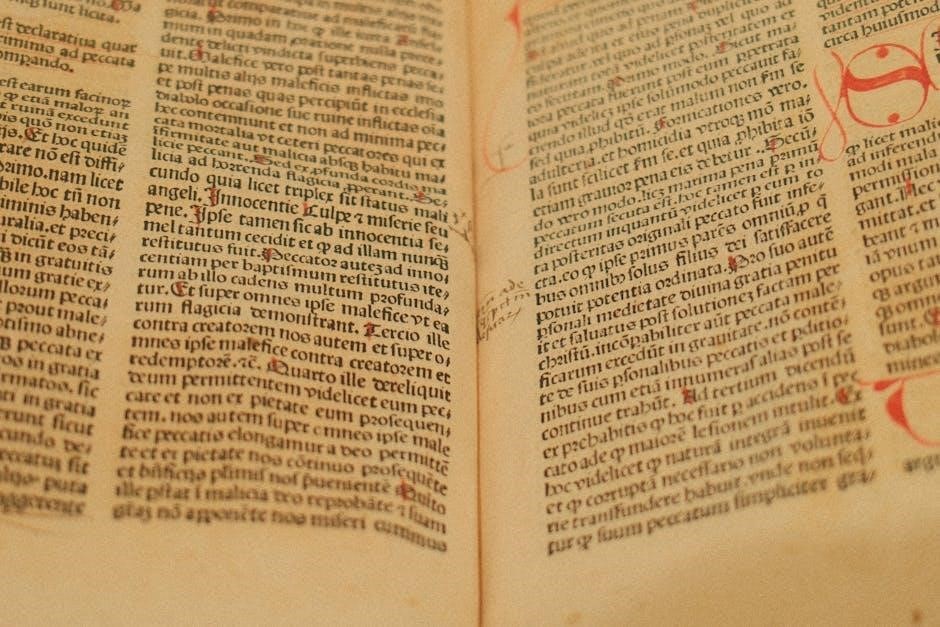
Subsequent revisions culminated in the 1969 edition post-Vatican II, aiming for greater clarity and accessibility․ Accessing a Roman Missal PDF allows study of these historical changes․ While seeking a free PDF download, understanding this development highlights the Missal’s organic growth rooted in tradition, reflecting the Church’s evolving understanding of worship and its enduring faith․
The Importance of the Roman Missal in Catholic Liturgy
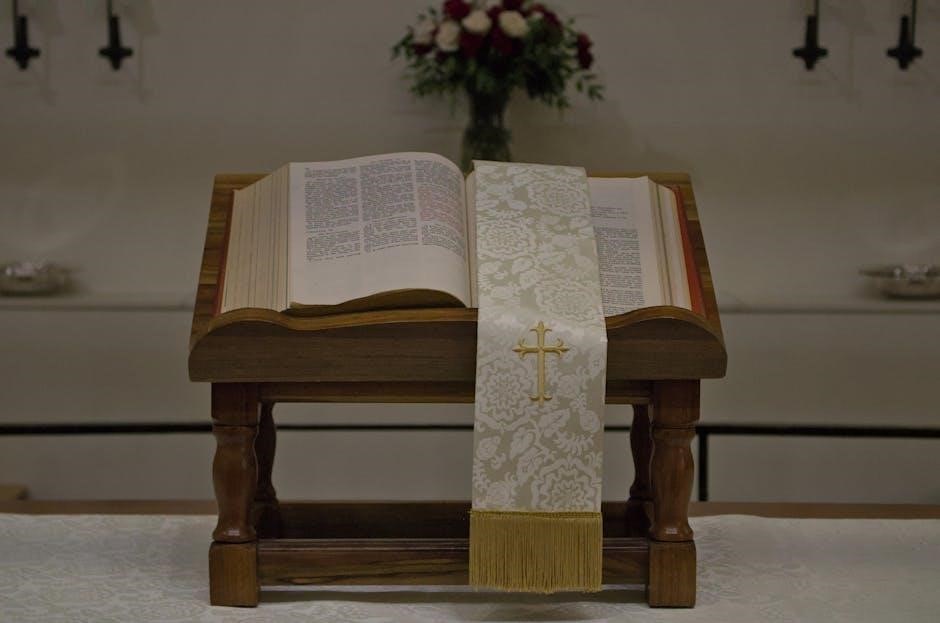
The Roman Missal serves as the central text for the Catholic Mass, guiding the celebration of the Eucharist․ It contains the prescribed prayers, readings, and rituals for each liturgical season and feast day․ Its uniformity ensures consistency in worship across the global Catholic Church, fostering unity in faith and practice․
A Roman Missal PDF facilitates access for priests, deacons, and liturgical scholars․ Finding a free PDF download enables deeper engagement with the liturgical texts․ The Missal’s importance extends beyond the altar, informing personal prayer and devotional life, solidifying its role as a cornerstone of Catholic spirituality․

Finding a Roman Missal PDF for Free
Locating a free Roman Missal PDF involves exploring legitimate online resources, but caution is crucial to avoid unofficial sources and potential security risks․
Legitimate Sources for Free PDFs
Accessing the Roman Missal in PDF format without cost requires careful selection of sources․ Diocesan websites often provide downloadable PDFs for parish use, ensuring authenticity and adherence to copyright regulations․ Publishers may offer sample chapters or limited-use versions as promotional material․
Furthermore, certain Catholic organizations and online libraries dedicated to liturgical resources sometimes host freely available PDFs․ However, verifying the source’s credibility is paramount․ Look for official seals, clear copyright information, and a secure connection (HTTPS) when downloading․ Be wary of websites promising complete, unrestricted access without any indication of licensing or permissions․ Prioritize sources affiliated with the Catholic Church or reputable religious publishers to guarantee a legitimate and complete version of the Roman Missal․
Websites Offering Free Roman Missal Downloads
Several websites claim to offer free Roman Missal PDFs, but caution is advised․ Some diocesan websites, like those of specific archdioceses, may provide downloadable liturgical materials, including portions of the Missal․ Online Catholic libraries and resource centers occasionally host PDFs, though completeness varies․
However, many sites offering “free” downloads are unofficial and may contain incomplete, outdated, or even altered versions․ Websites aggregating free PDFs often lack copyright verification․ Always scrutinize the source before downloading․ A search may reveal links, but verifying legitimacy through cross-referencing with official Catholic sources is crucial․ Remember, complete, unabridged versions are often subject to copyright and may require purchase․
Potential Risks of Downloading from Unofficial Sources
Downloading the Roman Missal PDF from unofficial sources presents several risks․ These PDFs may contain malware, viruses, or other harmful software compromising your device’s security․ Incomplete or inaccurate versions can lead to liturgical errors during Mass, impacting the sacredness of the celebration․
Furthermore, unauthorized distribution violates copyright laws, supporting illegal activities․ Modified PDFs might lack proper Imprimatur or Nihil Obstat approvals, raising concerns about doctrinal accuracy․ Such sources often lack quality control, resulting in poor formatting, missing pages, or unsearchable text․ Prioritize official or verified sources to ensure a safe, accurate, and legally compliant download experience․
Ensuring the PDF is Authentic and Complete
Verifying the authenticity of a Roman Missal PDF is crucial․ Look for official seals, Imprimatur statements, and publisher information – typically from Catholic publishing houses․ Compare the PDF’s content against a known, reliable physical copy or a trusted online version from a reputable source․
Confirm the PDF includes all necessary sections: the Order of Mass, readings for the liturgical year, proper prefaces, and complete sacramental rites․ Check for clear formatting, proper pagination, and functional hyperlinks․ A complete PDF should be searchable and allow for easy navigation․ Beware of PDFs with missing content or inconsistencies, as these indicate potential tampering or incompleteness․

Navigating the Roman Missal PDF
Understanding the Missal’s structure – Order of Mass, readings, and proper texts – is key․ Utilize PDF search functions for specific feasts or liturgical elements efficiently․

Understanding the Structure of the Missal
The Roman Missal is meticulously organized to facilitate the celebration of Mass․ Generally, it begins with the Ordinary of the Mass – those parts that remain constant throughout the liturgical year, such as the Kyrie, Gloria, Credo, Sanctus, and Agnus Dei․ Following this are the Proper of the Mass sections, which vary according to the liturgical season, feast, or solemnity․
These Proper sections include the Introit, Collect, Prayer over the Gifts, Preface, Communion Antiphon, and Prayer after Communion․ Understanding these divisions allows for easy navigation within the PDF․ The Missal also contains readings – Scripture passages for each Mass – and the various rubrics (instructions) guiding the celebration․ Familiarity with this structure is crucial for effective use of the digital document, enabling quick access to the required texts for any given liturgical occasion․
Key Sections and Their Contents
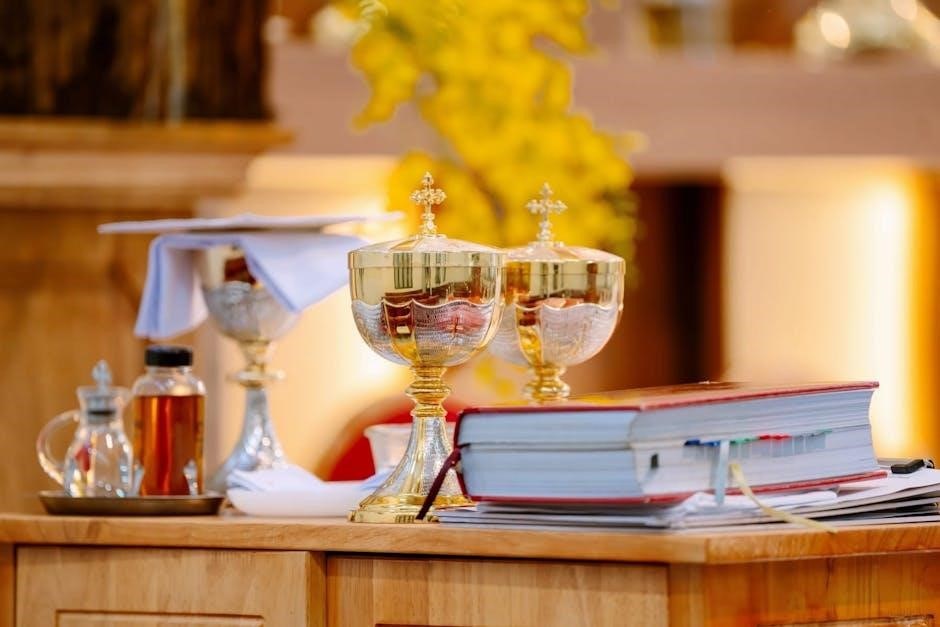
A Roman Missal PDF typically includes several core sections․ The Ordo Missae details the general order of Mass․ The Proprium de Tempore contains texts specific to the liturgical season (Advent, Christmas, Lent, Easter)․ The Proprium Sanctorum holds feasts of saints․
Crucially, the Canon of the Mass – the central Eucharistic Prayer – is a foundational element․ You’ll also find Prefaces, varying based on the liturgical season or feast․ Readings (Old Testament, New Testament, Gospel) are included for each Mass․ Finally, many PDFs contain supplementary materials like tables of movable feasts and liturgical calendars․ Knowing these sections allows users to quickly locate specific prayers, readings, or instructions needed for liturgical celebrations․
Using Search Functions within the PDF
Efficiently locating specific prayers or readings within a Roman Missal PDF relies heavily on utilizing the built-in search function (usually Ctrl+F or Cmd+F)․ Searching by keyword – such as “Gloria,” “Creed,” a specific saint’s name, or even a phrase from a hymn – quickly directs you to relevant passages․

Advanced searches can refine results․ Consider searching for variations of terms (e․g․, “Penitential Act” and “Confiteor”)․ Be mindful of potential OCR errors in scanned PDFs, which might slightly alter text and affect search accuracy․ Familiarity with liturgical terminology enhances search effectiveness, allowing precise retrieval of desired content within the extensive document․
Font Considerations: Times New Roman and Other Fonts
Many users desire to standardize document fonts, particularly switching to Times New Roman for English text while preserving existing Chinese fonts like Songti․ This requires careful PDF manipulation․ Direct global font changes can disrupt the intended formatting, especially impacting symbols and punctuation․
The challenge lies in selectively altering fonts for numbers and letters only, avoiding changes to Chinese characters or symbols like the degree Celsius (°)․ Utilizing the “replace font” function in programs like Word (before PDF creation) or advanced PDF editors is crucial․ Precise control prevents unwanted alterations and maintains document integrity, ensuring readability and professional presentation․
Formatting and Customization of the PDF
Customizing a Roman Missal PDF involves targeted font adjustments – specifically, transitioning numerals and letters to Times New Roman while retaining original character sets․
Changing Fonts to Times New Roman (Numbers & Letters)
Modifying fonts within a Roman Missal PDF to Times New Roman for numbers and letters requires a strategic approach․ Utilizing the “Replace” function in Word is a common method, though manual adjustments may still be necessary for complete accuracy․ Select “Replace,” then access the font options, choosing Times New Roman․ Preview the changes to confirm that Chinese characters remain in Songti and symbols are preserved․
However, be cautious; a global font change can inadvertently alter punctuation․ If punctuation shifts to English formatting, individual replacements become essential․ For complex documents, consider batch processing tools or specialized PDF editors for efficient and precise font adjustments․ Remember to save a backup copy before making significant changes․
Maintaining Chinese Font (Songti) While Changing to Times New Roman
Preserving the Songti font for Chinese characters while switching to Times New Roman for English text and numerals demands careful execution․ The key lies in utilizing Word’s “Replace” function strategically․ After selecting “Replace,” focus on altering only the font for English and numeric characters, explicitly excluding Chinese text․
Previewing the changes is crucial to ensure Songti remains unaffected․ If issues arise, revert to the original document and refine the replacement parameters․ Some PDF editors offer advanced font control, allowing selective font application to specific text ranges․ Remember to always work on a copy to avoid irreversible alterations to the original Roman Missal PDF․
Replacing Symbols (e․g․, Degrees Celsius) to Times New Roman
Addressing symbols like degrees Celsius (°C) requires a nuanced approach when converting a Roman Missal PDF to Times New Roman․ Standard “Replace” functions often struggle to identify these characters directly․ A workaround involves inserting the symbol within an equation editor, then selecting the “Convert to Text” option before applying the Times New Roman font․
Alternatively, utilizing the “Symbol” library within Word allows for individual replacement, ensuring consistency․ However, this is time-consuming for extensive documents․ Carefully review the PDF post-conversion to confirm all symbols have been correctly rendered in Times New Roman, avoiding unintended font shifts or character corruption․
Preventing Punctuation Changes to English After Font Modification
A common issue when switching fonts in a Roman Missal PDF is unwanted punctuation alteration – specifically, English punctuation reverting to a different style․ To mitigate this, avoid global “Select All” and “Replace Font” commands․ Instead, work section by section, applying Times New Roman to numbers and letters while leaving punctuation untouched․
Utilize Word’s advanced “Find and Replace” feature, specifying font attributes for only the desired text (numbers and letters)․ This targeted approach minimizes unintended formatting changes․ Post-conversion, meticulously review the document, paying close attention to punctuation, and manually correct any instances that have shifted to an undesired style․
Advanced PDF Features & Usage
Explore features like equation insertion, circled number formatting, and PDF optimization for size․ Troubleshooting common issues ensures a smooth user experience with the document․
Inserting and Formatting Equations with Times New Roman
When incorporating equations into your Roman Missal PDF, a crucial step involves ensuring consistent formatting, specifically utilizing Times New Roman․ After inserting an equation, select it and navigate to the “Design” tab within the functionality area․ Then, click the “Convert to Text” button – this transforms the equation into editable text within the Word document․
Subsequently, you can modify the font to Times New Roman, ensuring uniformity throughout the document․ Adjust the font size as needed, typically to 8pt for optimal readability within the Missal’s layout․ This method allows for seamless integration of mathematical or symbolic expressions while maintaining the desired aesthetic consistency with the rest of the text․
Remember to review the equation carefully after conversion to confirm that all symbols and characters are displayed correctly in Times New Roman․
Using Circled Numbers in the Roman Missal
The Roman Missal frequently employs circled numbers for referencing or enumeration․ Obtaining pre-formatted, visually consistent circled numbers is vital for a professional appearance․ Fortunately, readily available resources offer sets of circled numbers, ranging from 1 to 99, designed as vector graphics․
These vector-based numbers maintain clarity even when scaled, preventing pixelation or distortion․ Direct copy-pasting of these pre-designed circled numbers into your Roman Missal PDF streamlines the process, eliminating the need for manual creation or complex formatting․
Consider saving a collection of these numbers for easy access during document preparation․ Utilizing these resources ensures a polished and uniform presentation within the Missal․
Optimizing PDF Size for Download and Storage
Large Roman Missal PDFs can present challenges for download speeds and storage capacity․ Optimizing file size is crucial for accessibility․ Several techniques can reduce PDF dimensions without significant quality loss․ Consider utilizing PDF compression tools, readily available online or within PDF editing software․
These tools often offer adjustable compression levels, allowing a balance between file size and image resolution․ Removing unnecessary elements, such as embedded fonts (if not essential for rendering) and redundant metadata, can also contribute to size reduction․
Prioritize image quality based on intended use; lower resolution images are suitable for on-screen viewing, while higher resolution is needed for printing․ Regularly reviewing and optimizing PDFs ensures efficient distribution and storage․
Troubleshooting Common PDF Issues
Encountering problems with a Roman Missal PDF is common․ Frequent issues include corrupted files, rendering errors, and font display problems․ If a PDF won’t open, try updating your PDF reader to the latest version․ Corrupted downloads may require re-downloading from a trusted source․
Font inconsistencies, particularly with Times New Roman or Chinese Songti, can occur․ Ensure the necessary fonts are installed on your system․ If symbols aren’t displaying correctly, verify font encoding settings within the PDF reader․
For persistent issues, consider using a PDF repair tool or converting the PDF to another format and back again․ Regularly scanning for malware can also prevent file corruption․
Legal and Ethical Considerations
Respecting copyright is crucial when accessing the Roman Missal PDF․ Ensure downloads adhere to fair use guidelines and intellectual property rights, avoiding unauthorized distribution․
Copyright and Fair Use of the Roman Missal
Understanding the copyright status of the Roman Missal is paramount before downloading or distributing any PDF version․ The text and translations are generally protected by copyright held by the Vatican or specific publishing houses․
“Fair use” allows limited use of copyrighted material without permission for purposes like research, education, or criticism․ However, simply downloading a full PDF for personal convenience generally doesn’t qualify as fair use․
Unauthorized reproduction and distribution constitute copyright infringement․ While some portions, like Hebrew text elements, may have more permissive licensing (like MIT), the core Missal content requires respecting intellectual property․ Always check the source’s licensing terms and ensure compliance․ Making declarations about licensing when using open-source elements is also vital․
Respecting Intellectual Property Rights
Prioritizing respect for intellectual property is crucial when seeking a Roman Missal PDF․ Downloading from unofficial sources often disregards the rights of copyright holders – the Vatican and associated publishers․ Supporting legitimate avenues, even if they require a purchase, upholds ethical standards․
Consider that the creation of the Roman Missal involves significant scholarly work and translation efforts․ Unauthorized distribution devalues this labor․ Even if a PDF appears “free,” question its origin and legality․
Remember, utilizing copyrighted material without permission can have legal consequences․ Adhering to copyright laws demonstrates respect for the creators and ensures the continued availability of liturgical resources․ Always verify licensing terms and acknowledge the source when permissible, especially regarding open-source components like Hebrew character sets․