-
By:
- otis
- No comment
old testament reading plan pdf
Old Testament Reading Plan PDF: A Comprehensive Guide
Discover structured pathways through the Old Testament with downloadable PDF plans, aiding consistent study and deeper biblical understanding for believers of all levels;
Understanding the Need for a Reading Plan
Embarking on a journey through the Old Testament can feel daunting without a structured approach. A reading plan provides essential guidance, breaking down the extensive text into manageable daily portions. This combats overwhelm and fosters consistent engagement with Scripture. Many find the sheer volume of the Old Testament intimidating, leading to stalled efforts or incomplete readings.
A well-defined plan cultivates discipline, transforming Bible reading from an occasional event into a regular habit. It ensures exposure to the entirety of the Old Testament, preventing selective reading based on preference. Furthermore, a plan aids comprehension by revealing the overarching narrative and thematic connections within the text, enriching your understanding of God’s character and His relationship with humanity.
Benefits of Focusing on the Old Testament
Delving into the Old Testament unveils the historical and cultural context crucial for understanding the New Testament. It reveals the progressive revelation of God’s plan of redemption, laying the foundation for Jesus Christ’s arrival. The Old Testament isn’t merely ancient history; it’s replete with timeless wisdom, poetic beauty, and profound theological insights.
Exploring the Old Testament cultivates a richer appreciation for God’s faithfulness, justice, and unwavering love throughout history. It provides a deeper understanding of biblical covenants, laws, and prophecies, enriching your spiritual life. Studying the Old Testament also equips you to engage more meaningfully with biblical themes and narratives, fostering a more holistic faith perspective.
Popular Old Testament Reading Plan Formats
Numerous formats cater to diverse preferences and schedules when approaching an Old Testament reading plan. Chronological plans present events in the order they occurred, offering a narrative flow. Traditional plans follow the biblical order of books, providing a systematic approach. Intensive plans, like 90-day challenges, accelerate the reading pace for focused study.
Long-term plans spread readings over a year or more, fostering sustainable habits. Some plans integrate Psalms daily or weekly, enriching spiritual practice. PDF versions often offer structured schedules, checklists, and devotional prompts. Choosing the right format depends on your commitment level, learning style, and desired outcome – whether it’s rapid completion or thoughtful contemplation.
Chronological Reading Plans
Chronological Old Testament reading plans arrange scriptures by the estimated time of events, rather than biblical book order. This approach unveils a compelling narrative, showing how stories intertwine and historical context unfolds. A condensed reading of OT literature in chronological order can span 752 chapters, offering a unique perspective.
These plans often interweave passages from different books, revealing a richer understanding of the historical timeline. They help readers grasp the development of covenants, prophecies, and God’s interactions with Israel. PDF versions frequently include helpful charts and timelines to aid navigation through this non-traditional structure, enhancing comprehension and engagement.
OT260 Reading Plan: A Detailed Overview

The OT260 is a thoughtfully designed Bible reading plan specifically crafted for busy individuals seeking to systematically engage with the Old Testament over approximately a year. It’s structured for reading five days a week, intentionally providing weekends for rest, review, or catching up on missed readings. This plan aims for consistency without overwhelming daily commitments.
PDF versions of the OT260 often include detailed weekly schedules, like those for April and May, outlining specific chapter or passage assignments. This structure facilitates focused study and progress tracking. It’s a practical approach to experiencing the entirety of the Old Testament in a manageable and sustainable manner.
Plan Duration and Daily Commitment
The OT260 reading plan spans 260 days, designed to guide readers through the Old Testament over roughly nine months, allowing for flexibility and life’s inevitable interruptions. Daily commitments are intentionally moderate, focusing on consistent engagement rather than exhaustive reading sessions. Expect to dedicate approximately 15-30 minutes each reading day;
PDF versions typically break down the Old Testament into manageable daily portions, often consisting of several chapters. This approach prevents feeling overwhelmed and encourages a steady pace. The five-days-a-week structure acknowledges the demands of modern life, promoting sustainability and long-term adherence to the plan.
Sample Weekly Schedules (April & May)
Here’s a glimpse into the OT260 plan’s structure for April and May, showcasing the daily reading assignments. April (Week 14): Exodus 29-33. Week 15: Exodus 34-35 & 40, Leviticus 8-9. Week 16: Leviticus 16, 23, & 26, Numbers 11-12. Week 17: Numbers 13-14, 16-17, & 20.
Moving into May (Week 18): Numbers 21-22, 27, 34-35. These schedules are designed for five days of reading, leaving weekends open for review, rest, or catching up. PDF versions of the plan will provide a complete, detailed breakdown for each day, ensuring a clear and organized reading experience throughout the Old Testament journey.
90-Day Intensive Reading Plans
While appealing for rapid completion, 90-day intensive Old Testament reading plans present a significant challenge. The accelerated pace often leads to burnout, hindering comprehension and spiritual growth. It’s crucial to acknowledge this risk and implement mitigation strategies.

Consider a slower, more sustainable approach, akin to a cross-country race rather than a sprint. Even a “Bible in a year” plan can be demanding. Prioritize building a consistent habit of daily Bible reading and meditation. PDF resources offering 90-day plans should also include guidance on pacing and preventing overwhelm, fostering a more rewarding experience.
Potential for Burnout & Mitigation Strategies
Intensive Old Testament reading plans, particularly those compressed into 90 days, carry a high risk of burnout. This stems from the sheer volume of text and the demanding daily commitment. To combat this, prioritize a sustainable pace. Don’t feel guilty about taking rest days or adjusting the schedule to fit your life.
Utilize PDF plans that incorporate built-in flexibility. Supplement reading with meditation and review, solidifying understanding. Consider focusing on quality over quantity, and remember the Christian life is a marathon, not a sprint. A Psalter can offer refreshing spiritual nourishment alongside the more demanding narrative portions.
Long-Term Reading Plans: Building Sustainable Habits
Sustained engagement with the Old Testament requires a plan designed for longevity, fostering consistent habits rather than short-term intensity. PDF reading plans spanning a year or more encourage gradual absorption and deeper reflection. Prioritize establishing a daily routine – reading and meditating upon scripture each morning, alongside singing a Psalm – solidifies commitment.

These plans allow for life’s interruptions without derailing progress entirely. Regular review, such as revisiting learned Psalms on Sundays, reinforces understanding. Focus on building a rhythm, slowly increasing intensity as the habit develops, mirroring a cross-country race rather than a sprint.
Integrating Psalms into Your Reading Routine

Enhance your Old Testament study by incorporating the Psalms, offering a unique blend of poetry, prayer, and prophetic insight. Utilize a Psalter – resources like “Sing Psalms” or “The Book of Psalms for Worship” – to experience these texts as songs. Consider a focused approach: learning one Psalm per week over a year deepens familiarity and provides a rich devotional practice.
This method complements broader Old Testament reading, offering emotional resonance and spiritual nourishment. Regularly singing or reciting Psalms transforms them from mere reading material into living prayer. Reviewing learned Psalms weekly reinforces memorization and understanding, fostering a lifelong connection with these timeless expressions of faith.
Using a Psalter (Sing Psalms, Book of Psalms for Worship)
A Psalter, such as “Sing Psalms” or “The Book of Psalms for Worship,” transforms your engagement with the Psalms from reading to experiencing. These resources present the Psalms in a metrical form, designed for singing, unlocking a deeper appreciation for their poetic structure and emotional depth. “Sing Psalms” offers a contemporary setting, while “The Book of Psalms for Worship” provides a more traditional approach, often easier for beginners.
Utilizing a Psalter connects you to a historical tradition of worship and allows the Psalms to resonate within your soul. Apps are also available for “The Book of Psalms for Worship,” offering convenient access. Embrace the practice of singing these ancient prayers, enriching your Old Testament reading plan with a powerful devotional element.
Learning One Psalm Per Week
Adopting a rhythm of learning one Psalm weekly fosters a profound and sustainable connection with this vital Old Testament book. This approach avoids the intensity of rapid reading, allowing for genuine meditation and internalization of each Psalm’s message. Dedicate time each morning to read, meditate on, and then sing the chosen Psalm – a powerful combination for spiritual growth;
Review all learned Psalms on Sundays, reinforcing their themes and connecting them to your daily life. This deliberate pace builds familiarity and appreciation, transforming the Psalms from distant texts into personal prayers and sources of comfort. Integrating this practice alongside broader Old Testament reading creates a balanced and enriching spiritual discipline.
The Importance of Meditation and Review
Simply reading the Old Testament isn’t enough; dedicated meditation and regular review are crucial for lasting impact. Spend 10-15 minutes each morning reflecting on the passage read, allowing its meaning to sink deeply into your heart and mind. Ask questions, consider its context, and apply its principles to your life.
Regular review, particularly of Psalms learned weekly, solidifies understanding and reveals new layers of meaning. Sunday review sessions, revisiting previously studied material, reinforce connections and prevent knowledge from fading. This intentional practice transforms reading from a passive activity into an active, transformative spiritual discipline, fostering genuine growth.
Reading Plans for Children
Introduce young ones to biblical narratives with age-appropriate Old Testament reading plans, fostering a lifelong love for scripture. Consider chronological Bible stories designed specifically for kids, making the historical context engaging and understandable. These plans often follow the church liturgical year, adding a fun, thematic element to learning.
Look for condensed readings of OT literature presented in a simplified format, focusing on key events and characters. Such plans, available as PDFs, can spark meaningful conversations and build a foundational understanding of God’s story. Encourage participation and discussion, tailoring the pace to their comprehension level, nurturing their faith journey.
Chronological Bible Stories for Kids

Explore Old Testament narratives presented in the order they historically occurred, offering children a clearer understanding of the biblical timeline. These plans, often available as downloadable PDFs, move beyond simply reading books sequentially, revealing the unfolding story of God’s relationship with humanity. Focus on key events like Creation, the Flood, Abraham’s journey, and the Exodus, presented in an age-appropriate manner.
Utilize resources that condense the 752 chapters of OT literature into manageable stories, making it less daunting for young readers. Look for plans that emphasize the overarching themes of God’s faithfulness and redemption, building a strong biblical foundation. Supplement with visuals and interactive activities to enhance engagement and comprehension.
Finding PDF Versions of Reading Plans
Numerous online resources offer Old Testament reading plans in convenient PDF format, catering to diverse preferences and schedules. Websites dedicated to Bible study, Christian ministries, and individual bloggers frequently provide free downloadable plans. A quick internet search using keywords like “Old Testament reading plan PDF” will yield a wealth of options. Consider exploring church websites, as many congregations offer curated plans for their members.
Additionally, platforms like YouVersion (Bible App) often allow exporting reading plans as PDFs. Be mindful of the source’s credibility and theological alignment when selecting a plan. Evaluate whether the plan suits your reading level and commitment, ensuring a sustainable and enriching experience.
Free vs. Paid Reading Plan PDFs
Many excellent Old Testament reading plans are available as free PDFs, offering accessible biblical study for everyone. These often provide basic chronological or canonical arrangements, sufficient for focused reading. However, paid plans frequently offer enhanced features like detailed commentary, devotional insights, maps, and historical context. Premium PDFs may include supplementary materials such as study guides, workbooks, or video lectures.
The choice depends on your budget and desired depth of engagement. If you’re a beginner or prefer a straightforward approach, a free plan is ideal. For those seeking a more immersive and academically informed experience, a paid PDF might be worthwhile. Consider your learning style and commitment level when deciding.
Customizing Your Reading Plan
A rigid reading plan isn’t always sustainable; personalization is key to long-term success. Don’t hesitate to adjust the pace to fit your life – slowing down for complex passages or speeding up through familiar narratives. Modify daily readings based on your available time and energy levels, prioritizing consistency over strict adherence. Consider incorporating “catch-up” days for missed readings, preventing discouragement.
Furthermore, tailor the plan to your interests. If you’re captivated by poetry, spend extra time with Psalms and Proverbs. Supplement the plan with additional study resources, commentaries, or devotional materials. Remember, the goal is to foster a deeper relationship with scripture, not simply check off boxes.
Adjusting Pace and Daily Readings
Recognize that life happens, and sticking to a strict schedule isn’t always feasible. The OT260 plan, for example, offers reading five days a week, providing built-in flexibility. If a chapter feels dense, break it into smaller segments spread over multiple days. Conversely, if a passage is straightforward, consider combining readings. Prioritize understanding over speed; don’t rush through scripture.
Experiment with different reading lengths to find what suits your concentration span. Some prefer shorter, more frequent readings, while others thrive on longer, immersive sessions. Be honest with yourself about your capacity and adjust accordingly. Remember, a slower, more thoughtful pace often yields greater spiritual fruit.
Tools and Resources for Following a Plan
Numerous Bible apps now integrate reading plan features, offering convenient tracking and reminders. Consider apps that allow customization, letting you adjust the pace or select specific Old Testament plans. Beyond apps, digital PDF versions of plans are readily available for download and printing, providing a tangible experience. Resources like “Sing Psalms” or “The Book of Psalms for Worship” enhance engagement with the Psalms.
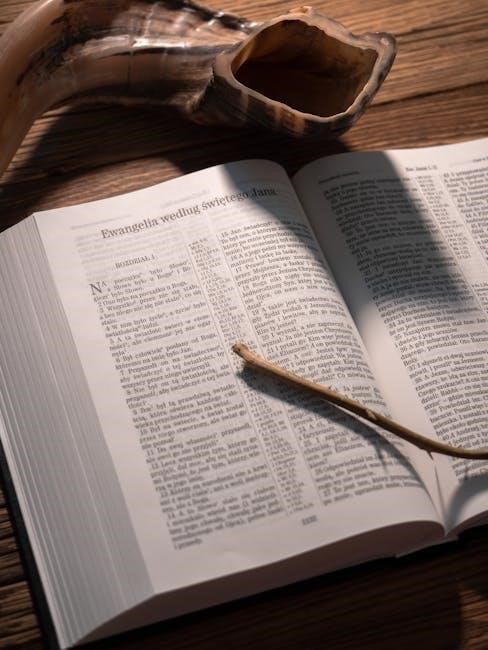
Websites dedicated to biblical study often host free reading plans and accompanying devotional materials. Utilize online commentaries and study notes to deepen your understanding of challenging passages. Don’t underestimate the value of a physical Bible and notebook for personal reflection and journaling.
Bible Apps with Reading Plan Features
Many Bible apps offer pre-set Old Testament reading plans, simplifying adherence to a schedule. Popular options include YouVersion, which boasts a vast library of plans and community features for shared progress. Logos Bible Software provides robust study tools alongside reading plans, ideal for in-depth exploration. Olive Tree offers customizable plans and offline access, beneficial for consistent study.
These apps typically include daily reminders, progress tracking, and note-taking capabilities. Some even integrate with audio Bibles, allowing for listening alongside reading. Explore features like verse mapping and highlighting to enhance comprehension and retention. Utilizing these tools can transform a reading plan into an interactive and engaging experience.
Dealing with Difficult Passages
The Old Testament contains challenging narratives and complex laws; encountering difficult passages is inevitable. Don’t bypass them – instead, approach with patience and humility. Utilize study resources like commentaries and Bible dictionaries to gain historical and cultural context. Consider the literary genre; poetry requires different interpretation than legal codes.
Pray for understanding and ask the Holy Spirit to illuminate the text. Recognize that some passages may not yield immediate clarity, and that’s okay. Focus on the overarching themes and God’s character revealed within the text. Remember that wrestling with difficult passages can deepen your faith and understanding.
Maintaining Consistency and Motivation
Consistency is key when following any Old Testament reading plan PDF. Schedule a specific time each day, treating it as a non-negotiable appointment with God. Start slowly; an overly ambitious plan can lead to burnout. Remember the long-term benefits – a deeper relationship with God and a richer understanding of His Word.
Find an accountability partner to share your progress and encourage one another. Celebrate milestones and don’t be discouraged by missed days; simply pick up where you left off. Integrate your reading with prayer and meditation to make it a more meaningful experience. Focus on the joy of discovering God’s truth!
Alternatives to Strict Reading Plans
For those finding rigid Old Testament reading plan PDFs challenging, consider a more flexible approach. Instead of daily chapters, focus on thematic studies, exploring specific characters or events. Combine reading with other methods like listening to audio Bibles or watching video overviews. Prioritize meditation on a few key verses rather than rushing through large portions.
Embrace a “slow reading” technique, rereading passages multiple times to uncover deeper meaning. Supplement your plan with devotional materials or commentaries. Remember, the goal isn’t simply completion, but spiritual growth. Adapt the plan to fit your life, prioritizing consistent engagement over strict adherence.
Selecting the ideal Old Testament reading plan PDF hinges on personal preferences and lifestyle. Consider your current spiritual maturity, available time, and preferred learning style. Intensive 90-day plans offer rapid immersion, but require significant commitment, potentially leading to burnout. Long-term plans foster sustainable habits, ideal for building consistency.
Explore chronological plans for narrative flow, or traditional arrangements for canonical understanding. Don’t hesitate to customize – adjust pace, incorporate Psalms, and prioritize meditation. Ultimately, the “best” plan is the one you’ll consistently follow, fostering a deeper relationship with God through His Word. Download a PDF and begin your journey today!